eng
+86 189 6101 2359
+86 133 6521 5663
+86 138 5268 6835
Measuring the length of a bolt is one of those jobs that looks trivial until a crate of fasteners arrives and somebody asks whether the 60 mm on the drawing includes the head. We have been manufacturing stainless steel fasteners since 2003, and this question still comes up in almost every training session on our shop floor. Brevis est ratio fulminis in manu pendere. The longer answer is worth ten minutes of your time, because it decides whether an assembly closes up cleanly the first time or comes back as a rejected delivery.
Fulmen, quod paucis millimetribus brevibus est, plenam stamina non explicabit pugnam, quae iuncturam multo ante quam quisque animadvertat hebetat. A bolt that is too long may bottom out in a blind hole, leave exposed threads that snag and collect corrosion, or simply add weight and cost to every unit you ship. In ambitus vibrationis summus sicut rail, venti et instrumenti plantae chemicae, quae differentia rerum magis etiam est.
Confusio intellegibilis est, quia "longitudo" aliter per familias fastener definitur. DIN, ISO, ANSI, JIS, GB dimensionem quaelibet clare explicant, sed regulae non sunt identicae ab una familia producta in proximum. Cum scis, quae regula in manu fixa fuerit, metiens officium decennio secundo loco disputationis fit.
For the great majority of bolts and screws with a flat bearing surface beneath the head, the length runs from the underside of the head to the very tip of the shank. Altitudo capitis non est pars longitudinis. A hexagon head bolt described as M10 x 60 measures 60 mm from the bottom face of the head down to the end of the shank, and the head itself may add another 6 to 7 mm on top of that.
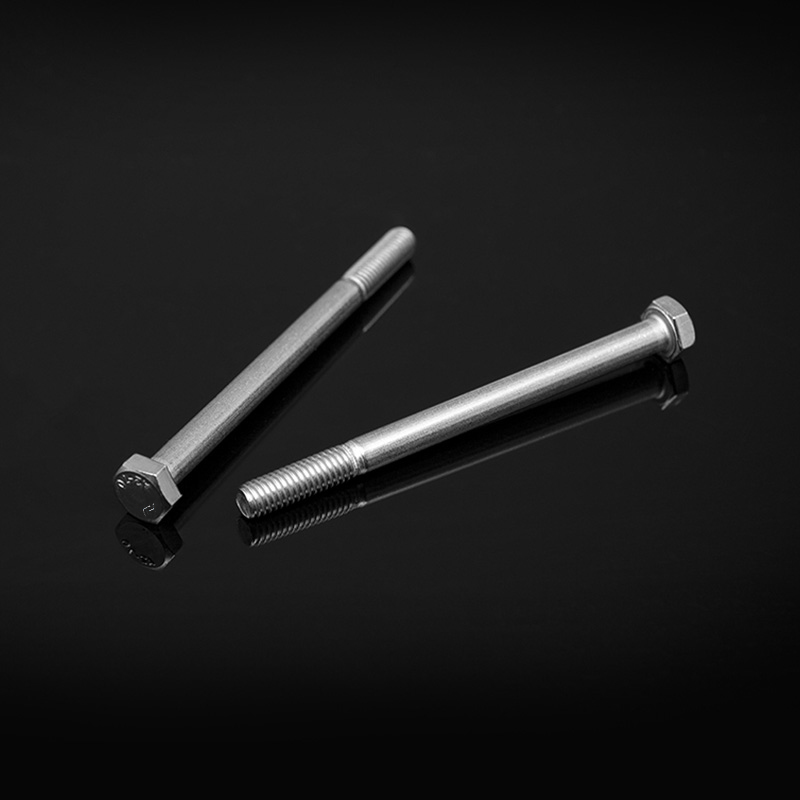
This rule covers hexagon head bolts such as DIN 931 (partial thread) and DIN 933 (threaded up to the head), hexagon socket head cap screws, hexagon flange bolts, and most machine screws with a plain head. Si optiones comparet per nostrum immaculatam ferro fulmina , DIN 931 and DIN 933 are the two families you will see most often in drawings, and they follow exactly the same length convention even though their thread lengths differ.
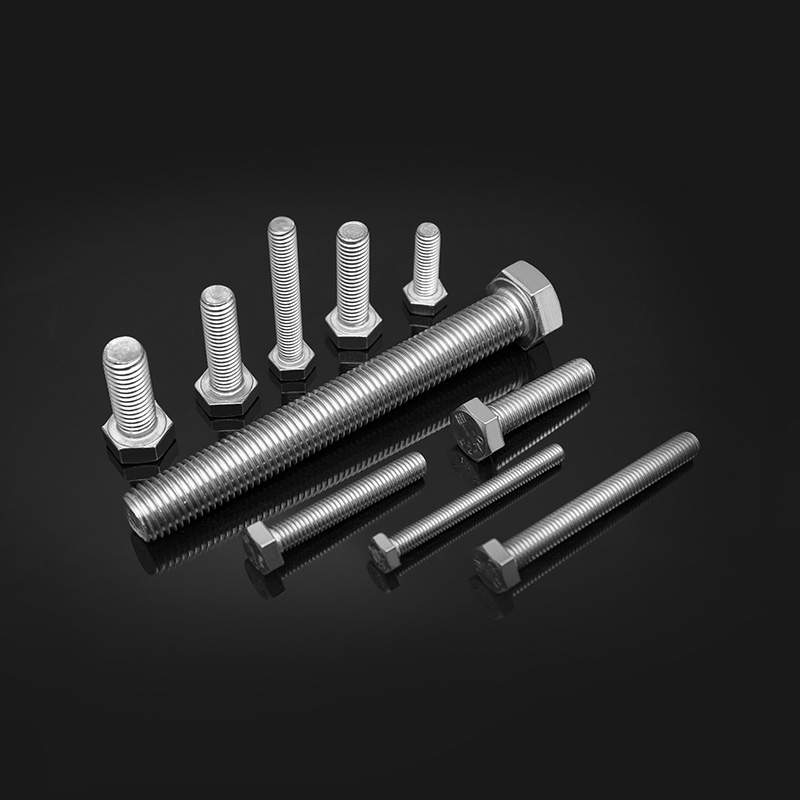 DIN933 Steel plene Threaded Hexagon caput clutis Fully threaded stainless steel hexagon head bolts for heavy-duty connections, available in metric sizes from M1.6 to M52, following standard under-head length convention. Visum Product →
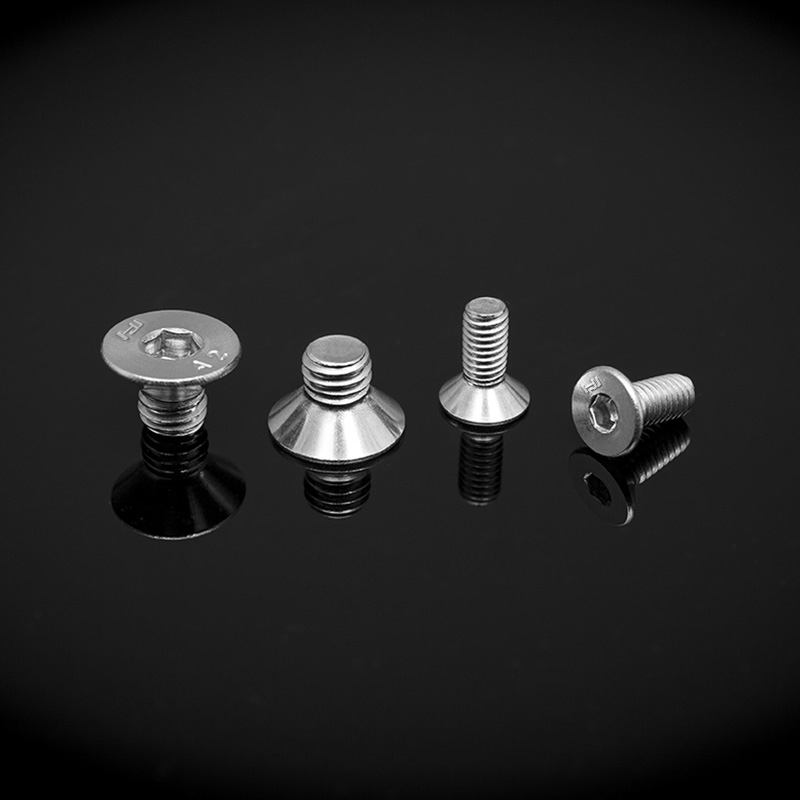
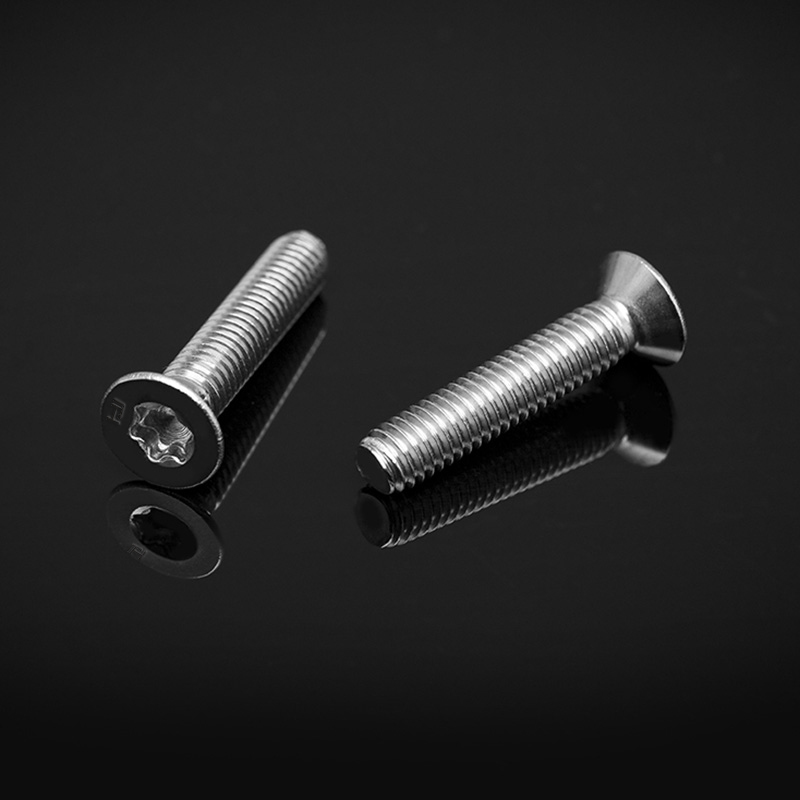
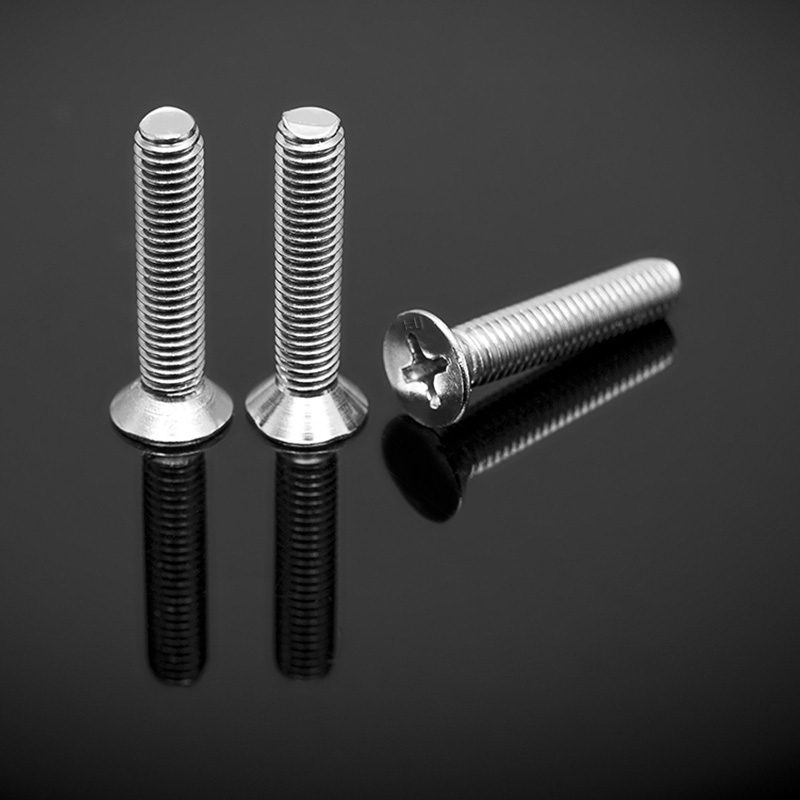
Cum caput ad ruborem in medio countersink sedere destinatur, longitudo caput includit. Metires a summo capitis superficie, id est planum, ubi caput materiai circumjacenti occurrit, usque ad apicem. Hexagon socket countersunk head screws to DIN 7991 and cross recessed countersunk screws to DIN 965 are the classic examples, and they are common in panels, machine covers and anything that needs a smooth outer face.
Get this one wrong and the error is usually obvious but expensive: a countersunk screw ordered with the head excluded comes up short by the full head height, which is often 3 to 5 mm.
| Fastener type | Typical vexillum | Longitudo metiri a | Capite inclusa? |
|---|---|---|---|
| Caput hexagonum fulmen, stamen plenum | DIN 933 / ISO 4017 | Subtus capitis usque ad apicem | No |
| Caput hexagonum fulmen partiale | DIN 931 / ISO 4014 | Subtus capitis usque ad apicem | No |
| Caput nervum hexagonum pileum cochleae | DIN 912 | Subtus capitis usque ad apicem | No |
| Hexagon nervum countersunk stupra | DIN 7991 | Top capitis ad apicem | Ita |
| Crux reducta countersunk stupra | DIN 965 | Top capitis ad apicem | Ita |
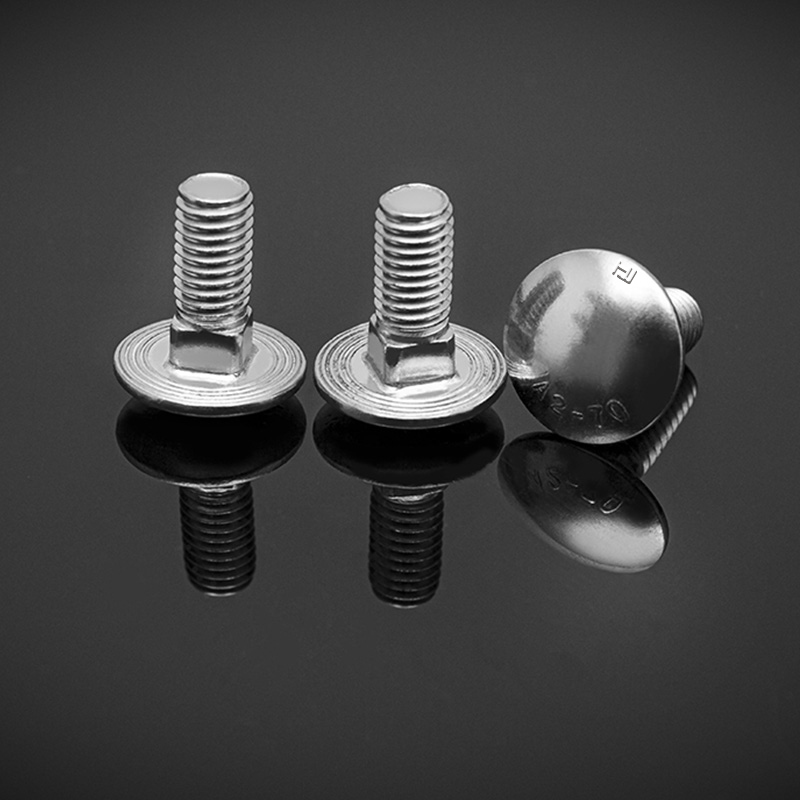
| Fungus caput quadratum collum fulmine | DIN 603 | Subtus capitis usque ad apicem | No |
| Hexagon nervum set cochleae | DIN 913 / 914 / 915 | Plena longitudo, punctum comprehendit | Non convenit |
| Threaded virga | DIN 975 | Plena longitudo, ad finem | Non convenit |
| Duplex finis stud | DIN 938 / DIN 939 | Plena longitudo, ad finem | Non convenit |
Caliper, filum picis coniecturam et scamnum mundum tractabit fere omnia quae in horrea conservativa vel sinus inspectionis advenientis occurrent. Sequentiam hic commendamus.
The same under-head approach applies to hexagon socket head cap screws, which are measured from the seating face of the cylindrical head to the tip.
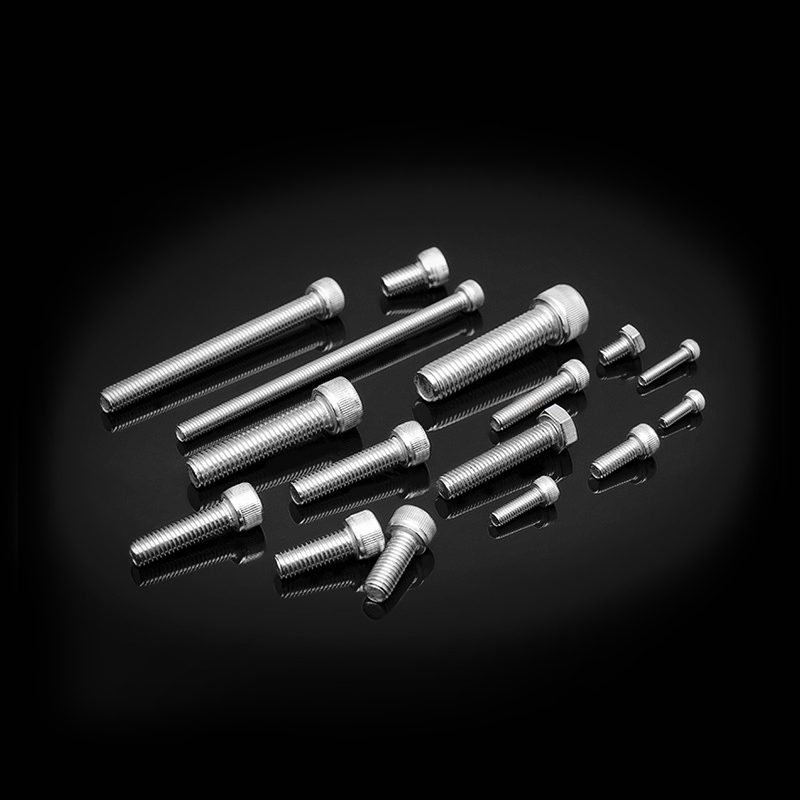 DIN 912 Steel Hexagon Socket Head Cap Cochleas Caput nervum immaculatum ferro pileo cochleis internis cum hexagone et filo pleno, sub capite mensurato; praesto ab M1.4 ad M100 pro torques hospites. Visum Product →
Nam dum partes currit, simplex longitudo METIOR vel euntes et nullos fixtura tempus servat et elementum humanum a lectione removet.
Fulmen ex parte stamineum, prolixitas citata nihil de te narrat quantum scapus stamina fert. Formula separato tegitur, et ideo duo fulmina eiusdem longitudinis per partes longe diversa spectare possunt.
Hic d filum nominale est diametrum. Scapus impressa longitudo erit g = l minus b, ubi l fulmen est longitudo. Sume fulmen M20 x 150: filum longitudo ad 2 x 20 12 = 52 mm operatur, relicto scapus plano 98 mm. Scapus ille campus est qui contra foramen in tondendis iuncturam gerit, ergo ratio fectum ipsum curat de ratione.
Stamina plenius fulmina ut DIN 933 liciata usque ad caput, sic stamina longitudinis adaequat fulmen longitudinis. Two bolts of identical nominal length, one to DIN 931 and one to DIN 933, are interchangeable in many joints but not in all, because the plain shank of the DIN 931 version carries load differently.
Virgae, bullae et cochleae positae nullum habent caput, ut nihil sit quod excludat. Longitudo mensuratur ab uno fine ad alterum. A DIN 975 threaded rod is quoted simply as M12 x 1000, meaning one metre of fully threaded bar, and a DIN 938 stud is quoted as its overall length with the thread lengths of each end specified separately.
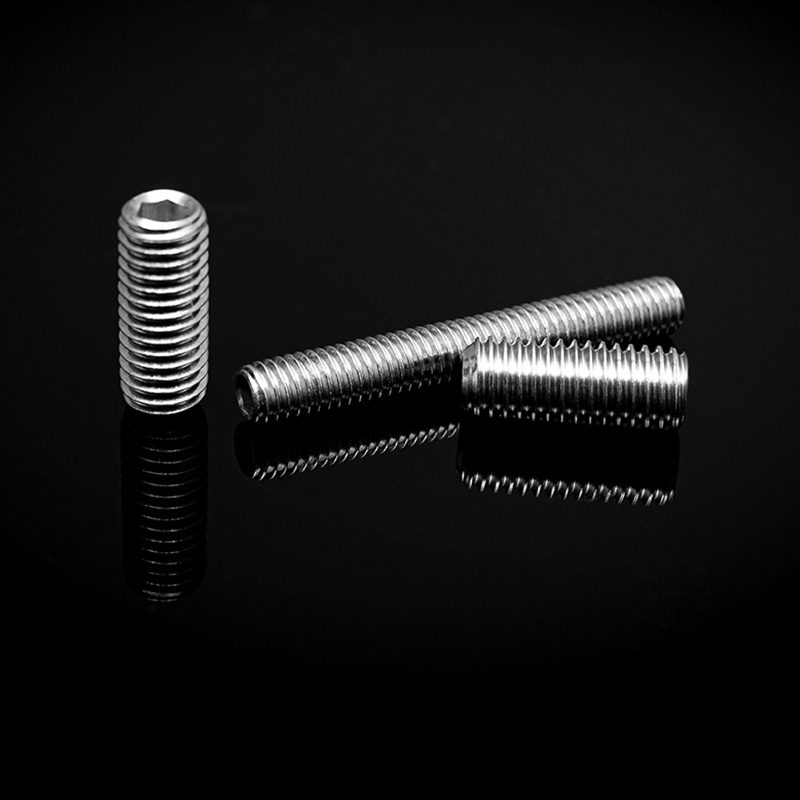
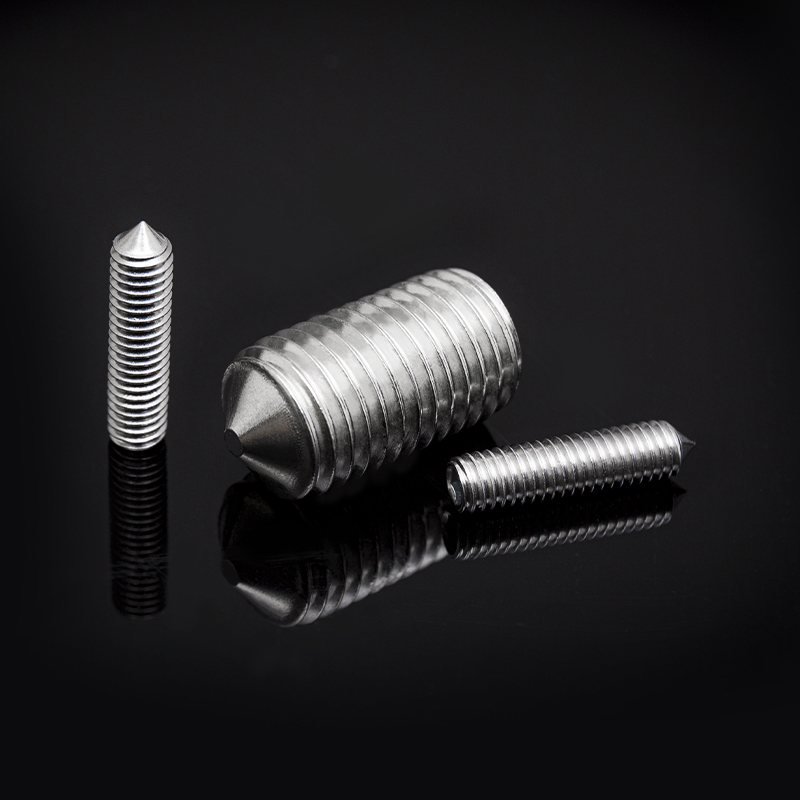
Set screws with a cone, flat or dog point are measured over the whole body including the point, because the point sits inside the assembly and takes up real space. Si virga staminea ad magnitudinem in situ secas, rationem serrae kerf et paucorum staminum amissione faciei incisi; Valet incisionem leviter longam et finem cum nuce moriente purgare quam brevem desinentem.
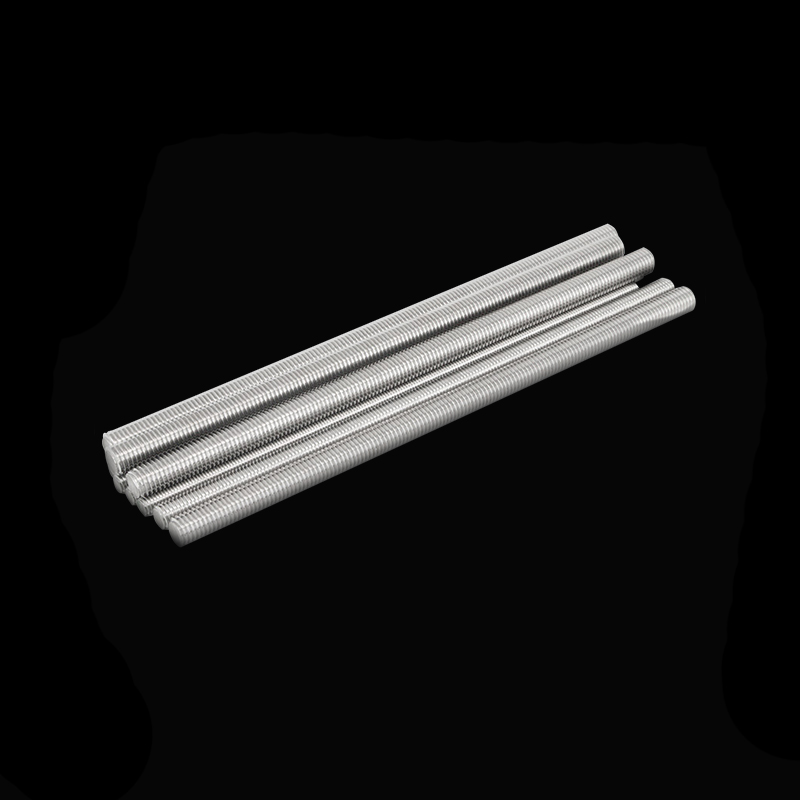 DIN 975 Steel Threaded rods and Studs Virgae ferro stamineae immaculatae ad nexus aptabiles et media onera, in M2 ad M52 magnitudinum praesto; utiles incisis virgis in longitudinem. Visum Product →
Incepta enim quae virgas, bullas et fulmina conventionales miscent, servant regulas diversas mensuras clare in edendo intitulatas. Plurimi errores ordinantes videmus ex una callout simpliciter provenire sicut "M16 x 200" cum nullo ligatore familiae adnexae.
Post duo decennia inspectionis et ministrorum advenientis, haec errata saepissime videmus, et unumquodque facile est impedire.
Modula hic disciplina custodit tam coetum schedulam quam relationem cum supplemento tuo.
The safest way to avoid any ambiguity is to write the full designation every time: nominal diameter, length, standard, material and, where it applies, the thread pitch. An entry such as M12 x 80 DIN 933 A4-70 tells a supplier everything needed to ship the correct part, whereas "M12 bolt 80 mm" can be read half a dozen ways.
Longitudo tolerantiae bene valentes sunt. Short fasteners are normally held to a tighter band than long ones, so a 1000 mm threaded rod and an M6 x 16 screw are not judged by the same yardstick. Cum delineatio criticam speciem significat, patientiam potius quam ad vexillum relinquendum.
Si adhuc inter familias decernitis antequam iubes, ductor noster est quam eligere ius immaculatum ferro tela in project per gradus materiales, filum genus et ambitum planius ambulat. Diligenter metire, callout scribe in plena, et primum ius fulmen perveniet.
Thread Tolerantia: 6g* vexillum DIN 13-15、DIN 13-12 Rod diam d d≤M20:A2-70、A4-70; M20<d≤M39:A2-50、A4-50; d≥M39:C3、C4; d<M39
See Details